B C P A เป็นอันตรายที่อาจจะเกิดกับอาหารได้สี่ด้าน เป็นพื้นฐานของเรื่อง food safety เลย นั่นคือ biological hazard (อันตรายจากเชื้อก่อโรคต่างๆ), chemical hazard (สารเคมีต่างๆ), physical hazard (สิ่งของต่างๆ), และ allergen (สารก่อภูมิแพ้)
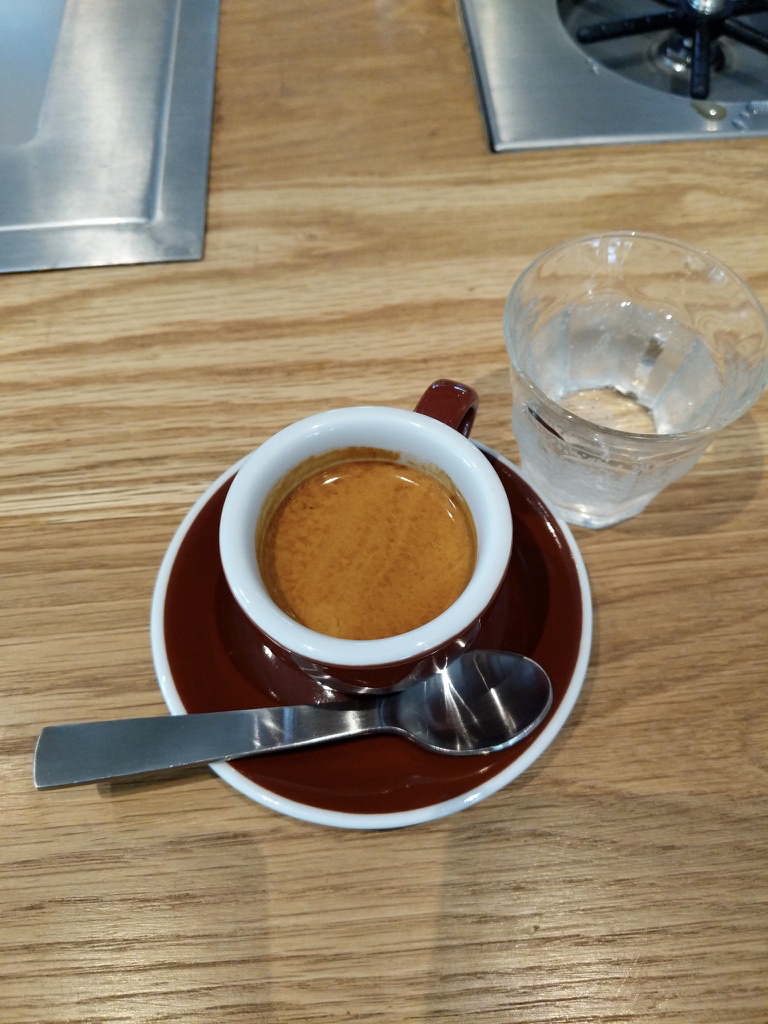
ถ้าใครเคยลองตักเฉพาะครีม่ามาชิมก็จะรู้ว่ามันไม่อร่อย หลายปีหลังมานี้บาริสต้าชื่อดังหลายคนก็เลยแนะนำว่าให้ตักครีม่าทิ้งไปก่อนแล้วกาแฟจะหวานขึ้น แต่บางคนก็แย้งว่าถ้าตักออกก็จะขาดรสขมที่ช่วยปรับสมดุลรสเปรี้ยวในกาแฟ ให้คนไปเรื่อยๆ จนครีม่าหายไปจะดีกว่า บางคนถึงกับไปปรับเครื่องชงกาแฟให้แรงดันลดลงเพื่อให้ครีม่าน้อยลงเลยด้วย จนกลายเป็นที่มาของคำว่า modern espresso ในปัจจุบัน
ขอจบอีพีนี้ด้วยบทความที่สร้างขึ้นจาก AI อย่าง ChatGPT เป็นภาษาอังกฤษ เพื่อให้เข้ากับบรรยากาศการเมืองช่วงนี้เลยให้ออกแนวประชาธิปไตยหน่อยๆ อ่านเอาเพลินๆ นะครับ
Title: The Espresso Revolution: Demystifying the Crema Conspiracy
When it comes to the world of coffee, nothing is as glorified, idolized, and mystified as the elusive layer of crema atop a freshly brewed espresso. This golden-brown cap of microfoam has been hailed as the crown jewel of a perfect espresso, a testament to a barista’s skill, a symbol of quality. But, comrades, is it time we rethink this glorification? Is it time to liberate our coffees from the shackles of crema romanticization?
In this golden age of specialty coffee, we’re beginning to question the status quo, to challenge the old coffee doctrines. The crema, while visually appealing, is not the be-all and end-all of an espresso. Its presence is more a testament to the mechanics of espresso making – a byproduct of the high-pressure extraction process – rather than a marker of taste and quality.
Crema’s constituents – oils, proteins, sugars, and carbon dioxide – contribute to its appearance but not necessarily to a pleasing flavor profile. In fact, a taste test will reveal that the crema, when isolated, carries a rather bitter, and at times, unpleasant taste. Yet, we have been conditioned to believe that a good espresso must have a thick layer of crema, a belief that is more rooted in tradition than in the actual sensory experience of coffee.
A rising faction of coffee professionals and enthusiasts have begun to question this “crema doctrine.” Much like the brave dissidents pushing for democracy in an oppressive regime, they are challenging the norm, daring to push the boundaries of the coffee world’s ingrained beliefs.
In the brave new world of coffee, we see baristas ‘sacrilegiously’ skimming off the crema, arguing that it masks the true flavors of the coffee. They aim to highlight the coffee’s inherent characteristics – its acidity, sweetness, body, and finish – unencumbered by the veil of crema.
This shift in perspective is not anarchy; it is a revolution of taste, an emancipation from outdated beliefs. It is a push for transparency, much like the call for openness in a closed society.
While this revolution challenges tradition, it does not discard the importance of a well-extracted espresso. The same principles of using fresh beans, precise grinding, and accurate pressure and temperature control still hold. The aim here is to focus on the inherent quality of the coffee itself rather than the incidental byproduct of its brewing process.
So, fellow coffee lovers, the time has come to question, to explore, and to taste freely. Much like the pursuit of democracy, let’s strive for a coffee culture that values diversity, authenticity, and individual sensory experience over blind adherence to tradition.
Let’s not judge our espressos by their crema but by the richness of their flavors, the story of their origins, and the love and skill poured into brewing them. The revolution starts now. Join us as we raise our cups high and toast to the future – a future of coffee liberated from the confines of crema.
Brew Ratio คือสัดส่วนของปริมาณของกาแฟบดต่อปริมาณของน้ำกาแฟที่ชง เช่น 1:2 (ใช้กาแฟบด 18 กรัม ชงได้น้ำกาแฟ 36 กรัม) เป็นปัจจัยพื้นฐานในการกำหนดความเข้มข้น (strength) ของกาแฟเอสเพรสโซ ถ้าใช้น้ำน้อยไปสกัดกาแฟมากก็ย่อมมีรสชาติและเนื้อสัมผัสที่แตกต่างจากกาแฟปริมาณเท่ากันแต่สกัดโดยใช้น้ำมาก ทั้งนี้การกำหนดว่าจะใช้ brew ratio เท่าไหร่ควรจะคิดไว้ให้เรียบร้อยตั้งแต่ตอนออกแบบเครื่องดื่มทุกเมนูตั้งแต่แรก
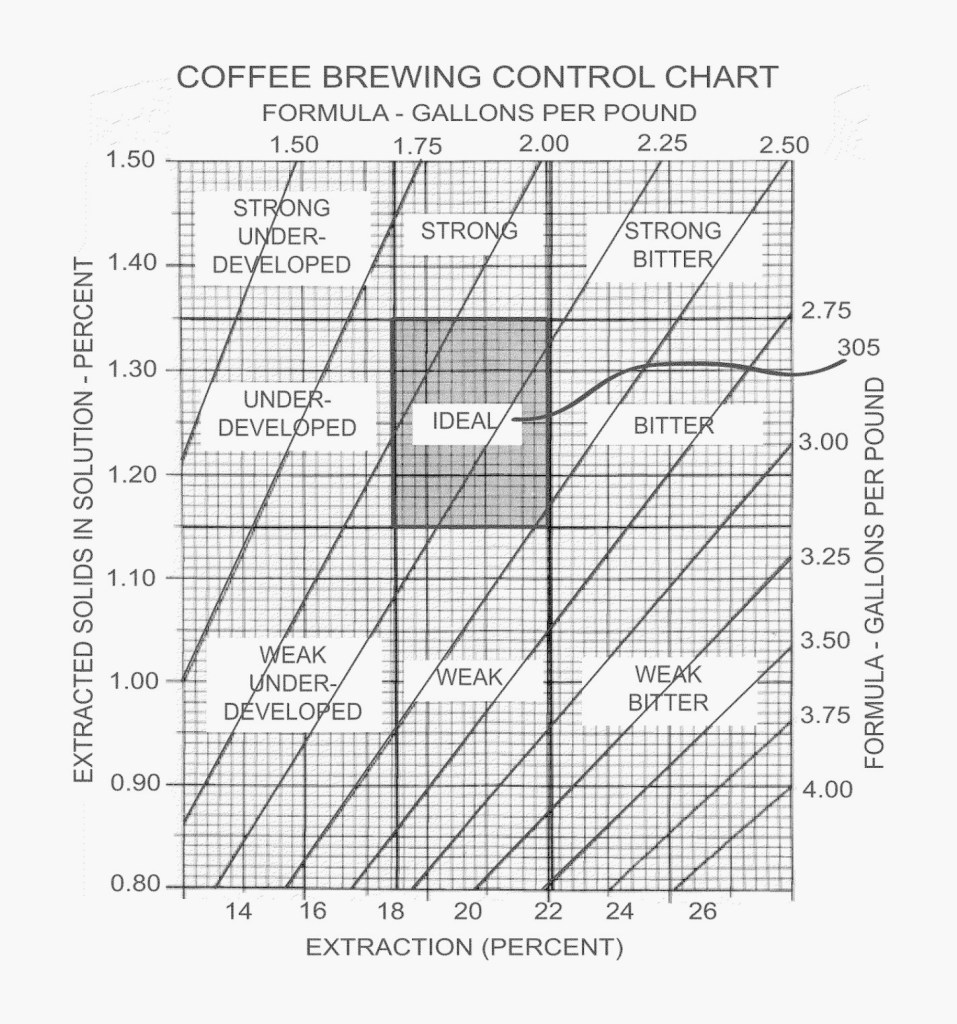
Coffee Brewing Control Chart ใช้กันมาตั้งแต่ปี 1952 เป็นส่วนหนึ่งของงานวิจัยพฤติกรรมผู้บริโภคที่ Prof. E. E. Lockhart ได้ทำไว้ เป็นเหมือนแผนที่แสดงถึงความสัมพันธ์ของความเข้มข้น สัดส่วนกาแฟต่อน้ำ และประสิทธิภาพการสกัด เพื่อสร้างมาตรฐานในการชงกาแฟให้ได้รสชาติดี










 Happy Espresso